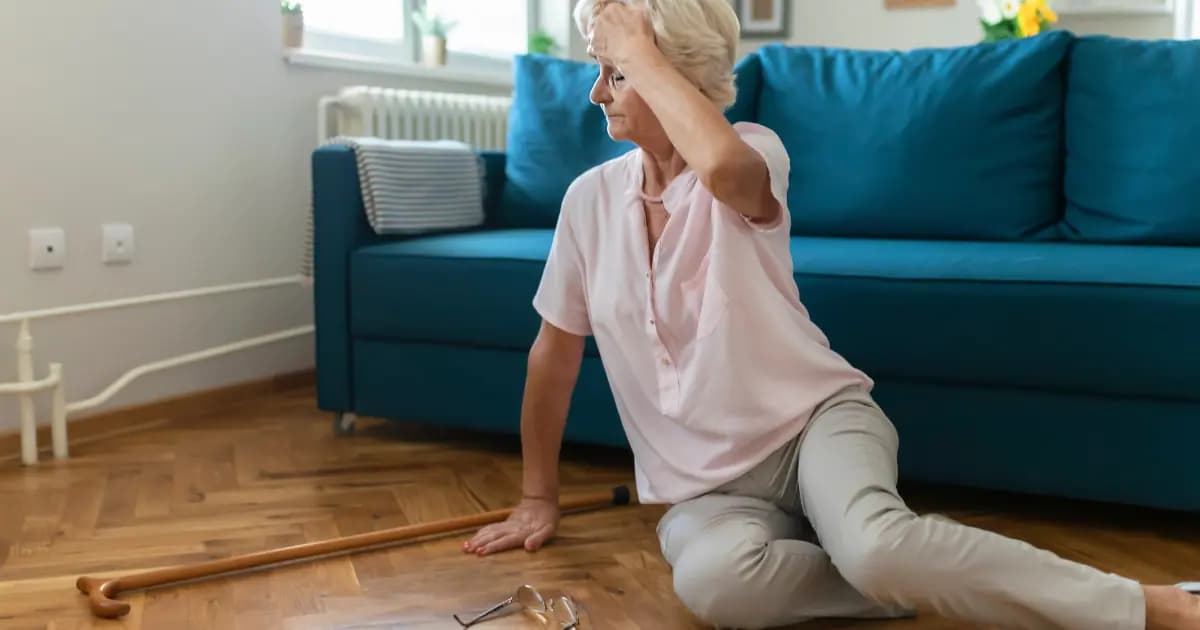
Falls are among the most common causes of loss of independence among older adults. What many families don’t realize is that hearing loss is a major, and often overlooked, risk factor for falls. This connection isn’t about fear or worst-case scenarios; it’s about understanding how the body stays balanced and how hearing plays a quiet but essential role.
At 3D Hearing, a local, independent Maryland hearing care provider, we see this connection every day. Seniors come in because conversations are more complex in restaurants or family gatherings, and they leave surprised to learn that addressing hearing loss can also support balance, confidence, and mobility.
This guide explains the science clearly, shares what the research shows, and outlines practical steps that seniors and caregivers in Maryland can take.
Why Falls Matter More Than You Think
According to the Centers for Disease Control and Prevention, falls are the leading cause of injury among adults aged 65 and older. A single fall can lead to:
Loss of confidence when walking
Reduced activity and social engagement
Longer recovery times
Increased dependence on family or caregivers
Preventing falls isn’t just about handrails and proper footwear. Sensory health, especially hearing, plays a role most people never discuss.
How Hearing Supports Balance and Spatial Awareness
Balance depends on three systems working together:
Vision what you see
Proprioception is how your joints and muscles sense movement
The inner ear (vestibular system) detects motion and head position
The hearing system and balance system share the same inner-ear space. When hearing declines, the brain must work harder to interpret sound and environmental cues. That extra effort can reduce the brain’s ability to process balance signals efficiently.
Think Of It This Way
If your brain is constantly straining to “fill in the gaps” during conversations or background noise, it has less bandwidth available for posture and movement.
What the Research Shows About Hearing Loss and Falls
Several peer-reviewed studies have confirmed the link:
An extensive Johns Hopkins Medicine study found that for every 10-decibel increase in hearing loss, the risk of falling nearly doubled.
Researchers believe untreated hearing loss contributes to falls by reducing environmental awareness, increasing cognitive strain, and causing shared inner-ear damage.
This doesn’t mean hearing loss automatically causes falls, but it raises risk, especially for active seniors who value independence.
Why Seniors With “Mild” Hearing Loss Are Still at Risk
Many people delay care because they think:
“My hearing isn’t bad enough yet.”
“I can still hear if people speak up.”
“I don’t want bulky hearing aids.”
The problem is that mild hearing loss often affects clarity, not volume. That means:
Difficulty locating where sounds are coming from
Trouble hearing approaching footsteps or traffic
Less awareness of environmental cues that help with balance
These subtle changes can make walking in unfamiliar or busy environments more challenging.
Hearing Aids and Fall Prevention: What Changes When Hearing Improves
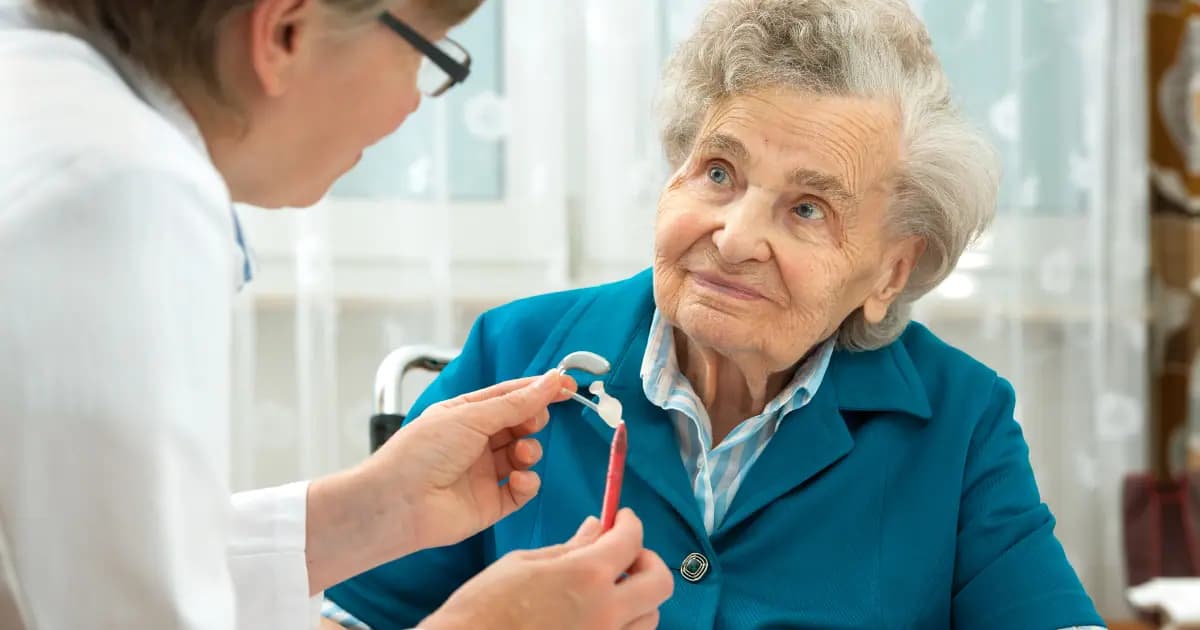
Modern prescription hearing aids do much more than amplify sound. Properly fitted devices can:
Improve spatial awareness
Reduce listening fatigue
Help the brain process sound more efficiently
Support confidence during movement
At 3D Hearing, we often hear patients report feeling steadier and more aware, especially in places like grocery stores, parking lots, or restaurants.
Why Proper Testing Matters: Not All Hearing Care Is Equal
One reason national chains and quick-fit solutions fall short is incomplete testing.
A comprehensive evaluation should include:
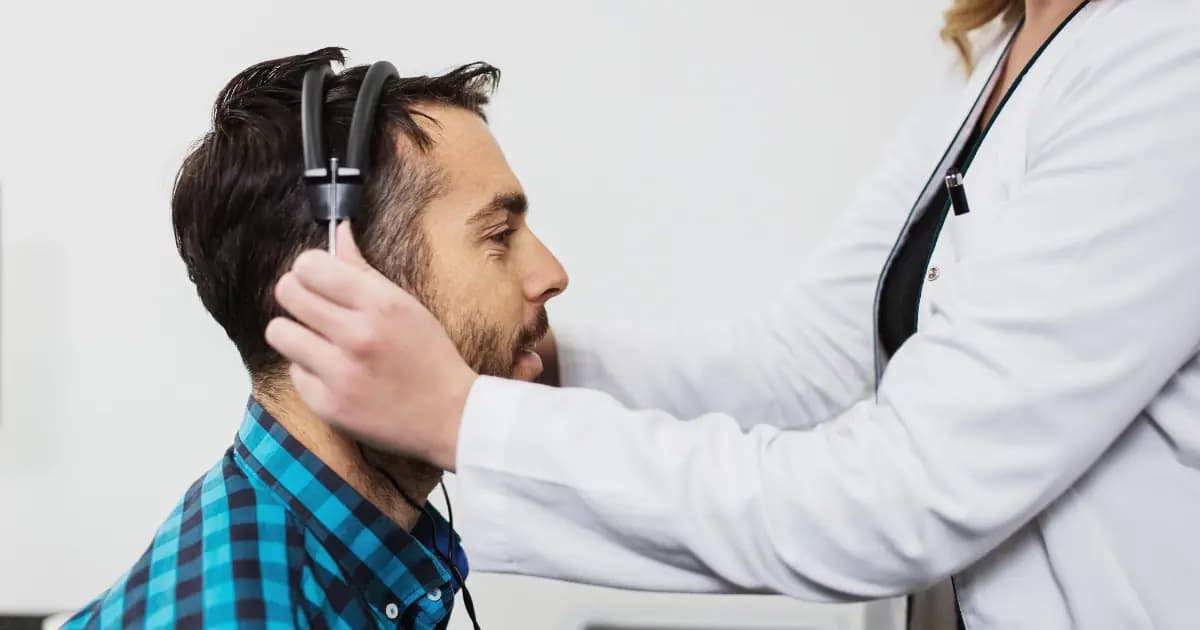
A full hearing test
Balance-related case history
Absolute Ear Measurement to verify hearing aid accuracy
Counseling on realistic expectations and daily use
This is why many seniors search for “Audiologist Near Me” or “Best audiologist Pasadena MD”; they want personalized care, not a one-size-fits-all device.
Local Maryland Focus: Why Community-Based Care Helps
3D Hearing is not a national chain. We live and work where our patients live, serving:
Annapolis
Waldorf
Pasadena
Huntingtown
Local care means:
Ongoing follow-ups, not rushed appointments
Familiarity with regional insurance plans
Faster help for emergency hearing aid repair near me searches
Long-term relationships, not sales pressure
Caregiver Insight: What Adult Children Often Notice First
For adults aged 40–60 caring for parents, hearing loss often shows up as:
Withdrawal from family gatherings
Hesitation walking in crowded places
Increased frustration or fatigue
Reluctance to attend social outings
Addressing hearing loss can help restore confidence, engagement, and mobility, benefiting the entire family.
Common Questions We Hear in Our Maryland Offices
“Does Medicare Cover Hearing Aids In MD?”
Original Medicare does not cover hearing aids, but many Medicare Advantage plans may offer partial benefits. Coverage varies widely, which is why local guidance matters.
“Are Hearing Aids Worth It If Balance Is My Concern?”
Yes, when hearing aids are professionally fitted and verified, they can support environmental awareness and reduce cognitive strain linked to balance issues.
“What About OTC Hearing Aids?”
Over-the-counter devices may help some people with very mild hearing loss, but they do not replace prescription hearing aids for seniors concerned about clarity, balance, or long-term hearing health.
Practical Steps to Reduce Fall Risk Through Hearing Care
Schedule a comprehensive hearing evaluation
Address hearing loss early, even if it feels “manageable.”
Choose prescription hearing aids when appropriate
Ensure proper fitting with Real Ear Measurement
Maintain devices with regular follow-ups
These steps complement other fall-prevention measures, such as exercise, vision care, and home safety.
Why Seniors Choose 3D Hearing
Patients choose 3D Hearing because we focus on:
Long-term care, not quick sales
Transparent pricing on leading brands like Oticon, Phonak, and Starkey
Personalized recommendations for the best hearing aids for seniors
Ongoing support for adjustments, repairs, and maintenance
Better hearing supports better living, including safer movement and greater independence.
Protect Hearing, Protect Independence
Hearing loss doesn’t just affect conversations; it affects how seniors interact with the world around them. By addressing hearing early and correctly, many older adults regain confidence, clarity, and stability in daily life.
If you or a loved one in Maryland is experiencing hearing challenges or concerns about balance, a local, personalized approach makes a difference.
Schedule a free hearing consultation with 3D Hearing today at / and take an informed step toward safer, more confident living.