Does Medicare Cover Hearing Aids in Maryland? (2026 Update)
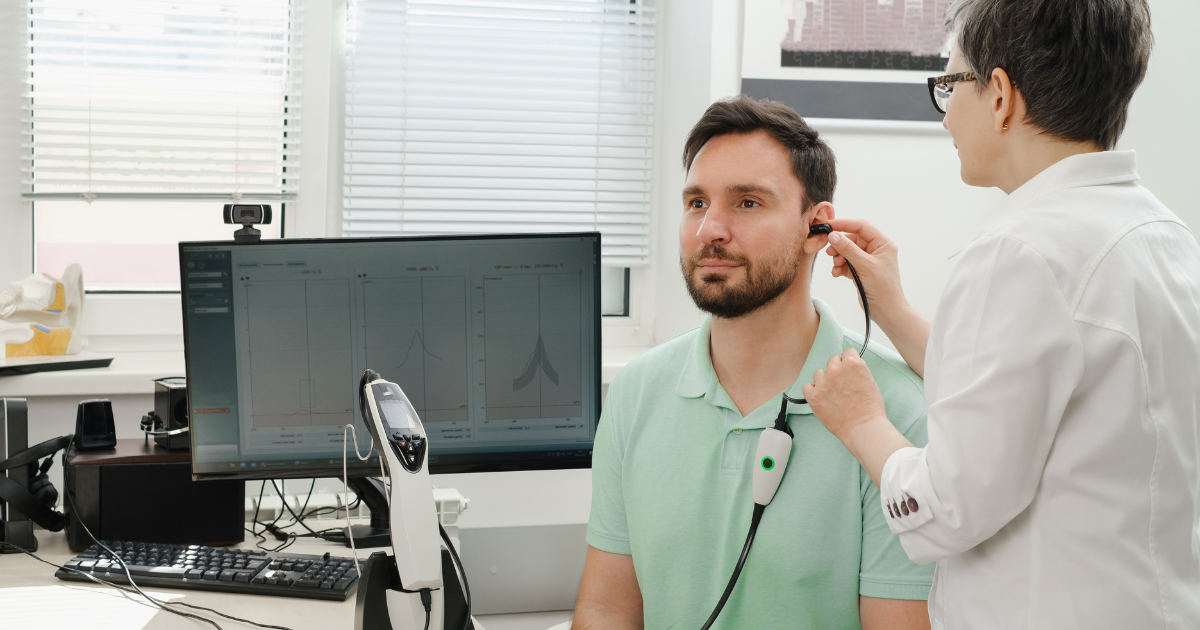
The short answer is that original Medicare still does not cover hearing aids in Maryland in 2026.
The long answer is that there are important exceptions, alternatives, and local strategies that can dramatically reduce your out-of-pocket costs, especially if you live in Annapolis, Waldorf, Pasadena, or Huntingtown.
At 3D Hearing, we work with Maryland families every week who feel confused, frustrated, or discouraged by insurance rules. This guide is designed to give you precise, honest answers, without sales pressure, scare tactics, or fine print.
Why This Question Matters So Much in Maryland
Hearing loss rarely shows up all at once. For many Maryland seniors, it starts with:
Struggling to hear conversations in restaurants
Missing parts of family discussions
Turning the TV volume up higher than others prefer
Feeling tired or withdrawn after social events
These are not “just aging” problems. Untreated hearing loss is associated with increased fall risk, cognitive strain, and social isolation, according to long-term research published in JAMA Otolaryngology Head & Neck Surgery.
The challenge? Cost uncertainty keeps many people waiting far too long.
What Medicare Covers, and What It Does Not (2026)
Original Medicare (Part A & Part B)
As of 2026, Original Medicare does NOT cover:
Hearing aids
Hearing aid fittings or programming
Follow-up care for hearing aids
What is covered:
Diagnostic hearing exams are only ordered by a physician to evaluate a medical condition
Specific medical procedures related to ear health (for example, ear infections or sudden hearing loss treatment)
Routine hearing tests for hearing aids are not covered under Part B.
Medicare Advantage Plans in Maryland: The Gray Area
Many Maryland residents enroll in Medicare Advantage (Part C) plans, which may offer limited hearing benefits.
Typical Maryland Advantage Plan Hearing Benefits
Annual allowance: often $500–$2,000 every 1–3 years
Limited hearing aid models or brands
Restricted provider networks
Tight replacement schedules
Important note: These plans often require patients to use third-party vendors, which can limit follow-up care and customization.
At 3D Hearing, we regularly help patients understand these benefits and determine whether they will save money over the long term.
Medicaid (Maryland Medical Assistance)
For eligible Maryland residents, Medicaid may cover hearing aids, depending on:
Medical necessity
Prior authorization
Age and eligibility category
Coverage details vary by county and individual circumstances.
Why Hearing Aids Are Not “One-Size-Fits-All”
Hearing aids are medical devices, not consumer electronics.
Prescription hearing aids are:
Custom-programmed to your hearing loss
Adjusted using Real Ear Measurement (the gold standard for accuracy)
Supported with long-term follow-up care
At 3D Hearing, we fit premium devices from trusted manufacturers such as Oticon, Phonak, Starkey, Widex, and Signia, tailored to lifestyle, hearing needs, and budget.
How Much Do Hearing Aids Cost in Maryland in 2026?
Typical Price Ranges (Per Pair)
Entry-level prescription devices: $2,000–$3,000
Mid-level technology: $3,000–$4,500
Premium hearing aids: $4,500–$6,500
Pricing usually includes:
Comprehensive hearing testing
Device programming and fine-tuning
Follow-up visits
Warranty and manufacturer support
Be cautious of prices that seem too low. They often exclude care, which matters just as much as the device.
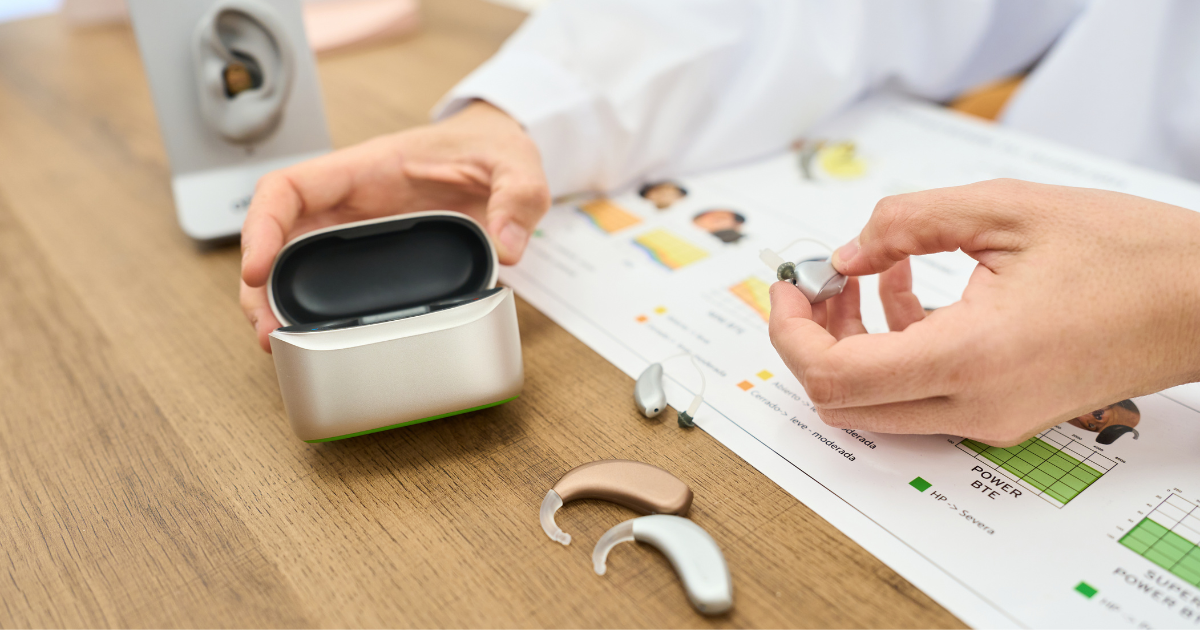
Prescription vs. OTC Hearing Aids: What Seniors Should Know
OTC hearing aids may help adults with very mild hearing loss, but they are not designed for:
Moderate to severe hearing loss
Tinnitus management
Speech clarity in noisy environments
Custom fitting
Most seniors we see in Anne Arundel, Calvert, and Charles Counties benefit significantly more from prescription hearing aids with professional care.
Why Local Care Matters More Than Ever
3D Hearing is locally owned and operated in Maryland, not a national chain or big-box retailer.
That means:
You see the same hearing professional over time
Adjustments are based on real-world feedback
Emergency hearing aid repairs are handled locally
No outsourced call centers
We proudly serve Annapolis, Waldorf, Pasadena, and Huntingtown, offering personalized care for seniors and their families.
Frequently Asked Questions
Does Medicare Ever Plan To Cover Hearing Aids?
Legislation has been proposed multiple times, but no hearing aid coverage has been approved as of 2026.
Do Hearing Aids Help With Tinnitus?
Yes. Many modern hearing aids include tinnitus relief features that reduce the perception of ringing.
How Long Do Hearing Aids Last?
With proper care, 5–7 years on average.
Are Rechargeable Hearing Aids Reliable?
Yes. Rechargeable hearing aids are now the preferred option for many seniors due to ease of use and consistency.
Scientific Evidence Supporting Early Treatment
Johns Hopkins' research links untreated hearing loss to increased fall risk.
Studies show that improved communication reduces social isolation
Absolute Ear Measurement improves speech clarity and satisfaction
Early intervention leads to better long-term outcomes and more effortless adjustment.
The Bottom Line for Maryland Seniors
Medicare does not cover hearing aids in 2026
Medicare Advantage plans may offer limited help
Local, independent care delivers better long-term results
Waiting often makes hearing loss harder to treat
Schedule a Free Local Hearing Consultation
If you or a loved one is struggling to hear, especially in restaurants or family gatherings, help is closer than you think.
At 3D Hearing, we focus on long-term hearing health, not pressure sales.
Schedule your local consultation today at https://www.3dhearing.com/.
Proudly serving seniors across Annapolis, Waldorf, Pasadena, and Huntingtown, Maryland.
Clear hearing supports independence, connection, and quality of life, at any age.
