How to Choose the Right Audiologist in Waldorf, MD

Choosing an audiologist is not just about buying hearing aids. For seniors and their families, it’s about finding a trusted healthcare partner who will protect hearing, improve daily communication, and provide long-term support, not pressure or quick sales.
If you or a loved one lives in Waldorf or nearby areas such as Annapolis, Pasadena, or Huntingtown, this guide will help you confidently choose the right audiologist.
At 3D Hearing, informed patients make better decisions. This article is designed to help you know what to look for, what questions to ask, and which red flags to avoid when choosing hearing care in Maryland.
Why Choosing the Right Audiologist Matters
Hearing loss is not just about volume. It affects:
Conversations in restaurants and family gatherings
Confidence and independence
Brain health, memory, and balance
Relationships with spouses, children, and grandchildren
Research published in The Lancet has shown that untreated hearing loss is one of the most significant modifiable risk factors for cognitive decline in older adults. The good news? Proper hearing care can help reduce listening strain and improve quality of life.
That’s why who you choose matters just as much as what hearing aid you wear.
Step 1: Look for a Licensed Audiologist (Not a Salesperson)
A true audiologist holds a Doctor of Audiology (AuD) or equivalent credential and is licensed in Maryland. This matters because:
Audiologists are trained to diagnose hearing loss medically
They can identify red flags like sudden hearing loss or tinnitus
They fit and fine-tune prescription hearing aids, not amplifiers
Be cautious of clinics that rely heavily on “hearing aid specialists” with limited clinical training. Hearing aids are medical devices; your care should be medical too.
Step 2: Choose a Local, Independent Hearing Practice
National chains often rotate providers and follow corporate sales quotas. A local Maryland practice offers something different:
Long-term relationships with the same audiologist
Follow-up care years after your fitting
Accountability to the local community
An independent clinic is also more likely to recommend what fits your hearing needs, rather than what a parent company is promoting that month.
3D Hearing is locally owned and operated in Maryland, serving patients across Charles, Calvert, and Anne Arundel counties. We are not a franchise, and a manufacturer does not own us.
Step 3: Demand a Comprehensive Hearing Test
A proper hearing evaluation should include more than a quick beep test.
Ask if the appointment includes:
Case history and lifestyle discussion
Ear examination (including wax buildup)
Pure-tone testing
Speech-in-noise testing
Word recognition testing
This type of evaluation helps identify why you can hear sounds but struggle to understand speech, especially in noisy places.
If a clinic skips steps or rushes testing, that’s a warning sign.
Step 4: Ask About Real Ear Measurement (This Is Critical)
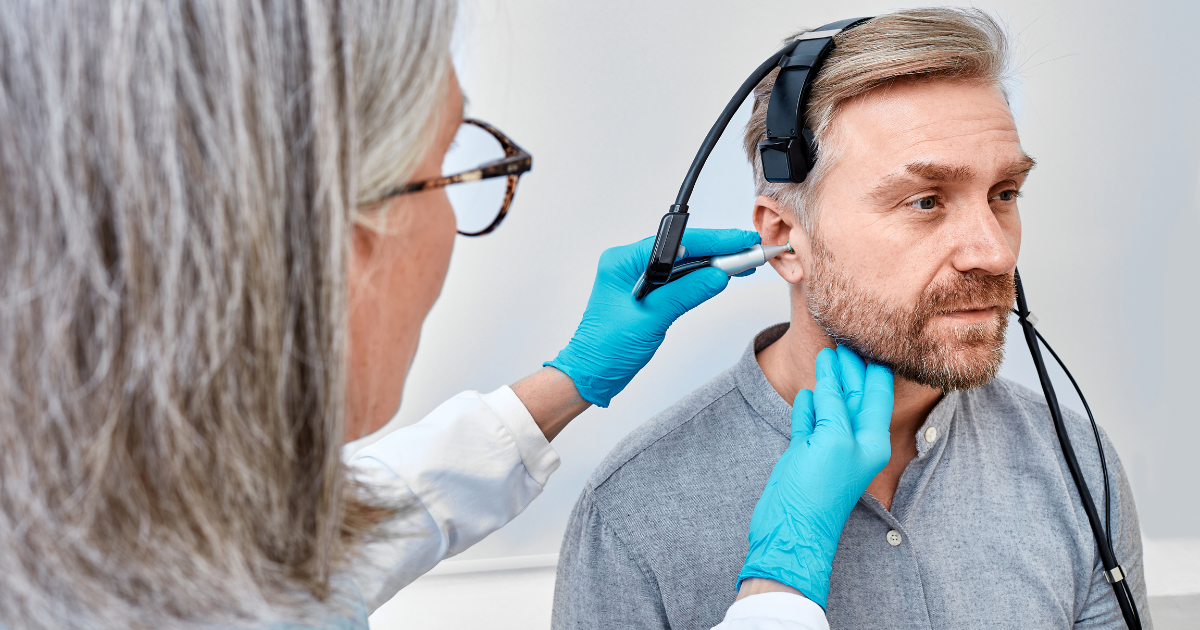
Real ear measurements (REM) are widely recognized as the gold standard for hearing aid verification by professional audiology organizations.
It uses a tiny microphone placed in the ear to measure how sound is delivered, based on your ear shape rather than averages.
Why this matters:
Without REM, hearing aids are often underpowered or overpowered
Speech clarity can suffer
Many patients think hearing aids “don’t work” when they’re simply not adjusted correctly.
If a clinic does not offer Real Ear Measurement, you should ask why.
At 3D Hearing, Real Ear Measurement is part of our standard fitting process, not an add-on.
Step 5: Look for Brand-Neutral Recommendations
The best audiologist fits you, not a single brand.
A quality practice should offer and explain multiple prescription options, including:
Oticon
Phonak
Starkey
Widex
Signia
You should hear honest pros and cons, not “this is the best hearing aid for everyone.”
For example:
Some devices excel in noisy restaurants
Others are better for tinnitus relief
Some prioritize rechargeable batteries or Bluetooth for the iPhone
There is no one-size-fits-all hearing aid.
Step 6: Understand Costs, Insurance, and Medicare (Clearly)
One of the biggest concerns for seniors and families is cost.
A trustworthy audiologist will explain:
The full price of hearing aids upfront
What services are included (testing, fittings, follow-ups, repairs)
Whether insurance benefits apply
What Medicare does and does not cover
As of now, Medicare does not cover hearing aids, but some Medicare Advantage plans and private insurance plans may offer partial benefits.
Avoid clinics that:
Refuse to discuss pricing
Push “today only” discounts
Bundle everything without transparency
Hearing care should feel supportive, not pressured.
Step 7: Ask About Ongoing Care and Repairs
Hearing aids are not a one-time purchase. They require:
Adjustments as hearing changes
Cleaning and maintenance
Repairs if something breaks
Support for tinnitus or sudden hearing changes
Ask:
How often are follow-up visits included?
Do you offer in-office hearing aid repairs?
Is emergency service available if a device stops working?
Long-term care is where local practices truly stand out.
Step 8: Consider Accessibility for Seniors
For adults 60–85+, comfort matters.
Look for:
Easy parking and ground-level access
Clear communication and patient explanations
Short wait times
Family involvement when desired
A good audiologist understands that hearing loss is emotional, not just technical.
Red Flags to Avoid When Choosing an Audiologist
Be cautious if you notice:
High-pressure sales tactics
One-size-fits-all recommendations
No Real Ear Measurement
Limited follow-up care
Focus on devices over lifestyle goals
Hearing care should improve your life, not add stress.

Why Many Maryland Families Choose 3D Hearing
Patients across Waldorf, Annapolis, Pasadena, and Huntingtown choose 3D Hearing because we offer:
Local, independent Maryland-based care
Comprehensive hearing evaluations
Real Ear Measurement for accurate fittings
