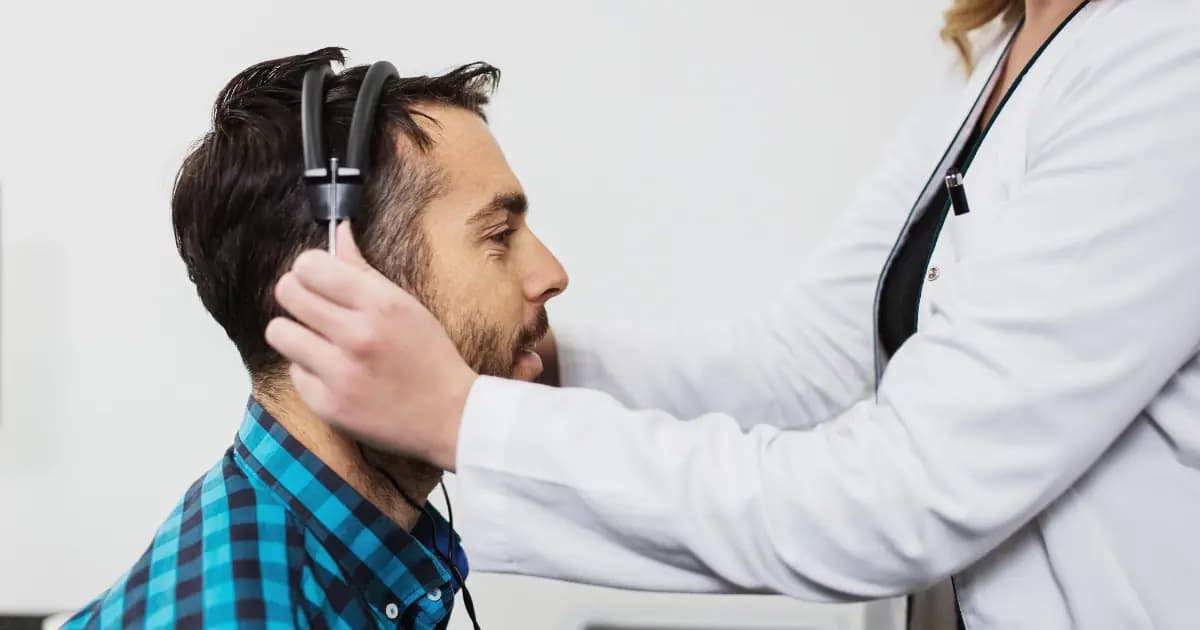


If you can “hear” people but still miss words at restaurants, family gatherings, or church, you’re not alone. For many seniors, the frustrating part isn’t volume. It’s clarity, especially in background noise.
And that’s why choosing hearing aids for seniors based on a feature list alone can backfire. The specs that sound impressive online don’t always translate to easier conversations in real Maryland life.
Below is a practical, senior-friendly guide to the features that matter most, what to ask during a fitting, and how to make hearing aids more affordable in Maryland (Annapolis, Waldorf, Pasadena, and Huntingtown) without gimmicks or scare tactics.
1. Speech Clarity In Noise (The “Restaurant Test”)
The #1 complaint we hear from active adults is:“I can hear people talking, but I can’t understand them when there’s noise.”
Look for features designed for speech-in-noise, such as:
Directional microphones (the hearing aid focuses more on speech in front of you)
Noise management (reduces steady background sounds)
Automatic scene detection (switches settings based on the environment)
What matters most is not the buzzwords; it’s whether your provider verifies you’re getting enough usable speech sounds for your hearing loss and your listening goals (restaurants, bridge club, grandkids, meetings).
2. Real Ear Measurement (REM): the “fit check” most people never get
This is one of the most overlooked “features,” because it’s not a feature of the hearing aid, it’s a feature of how your hearing aids are fit.
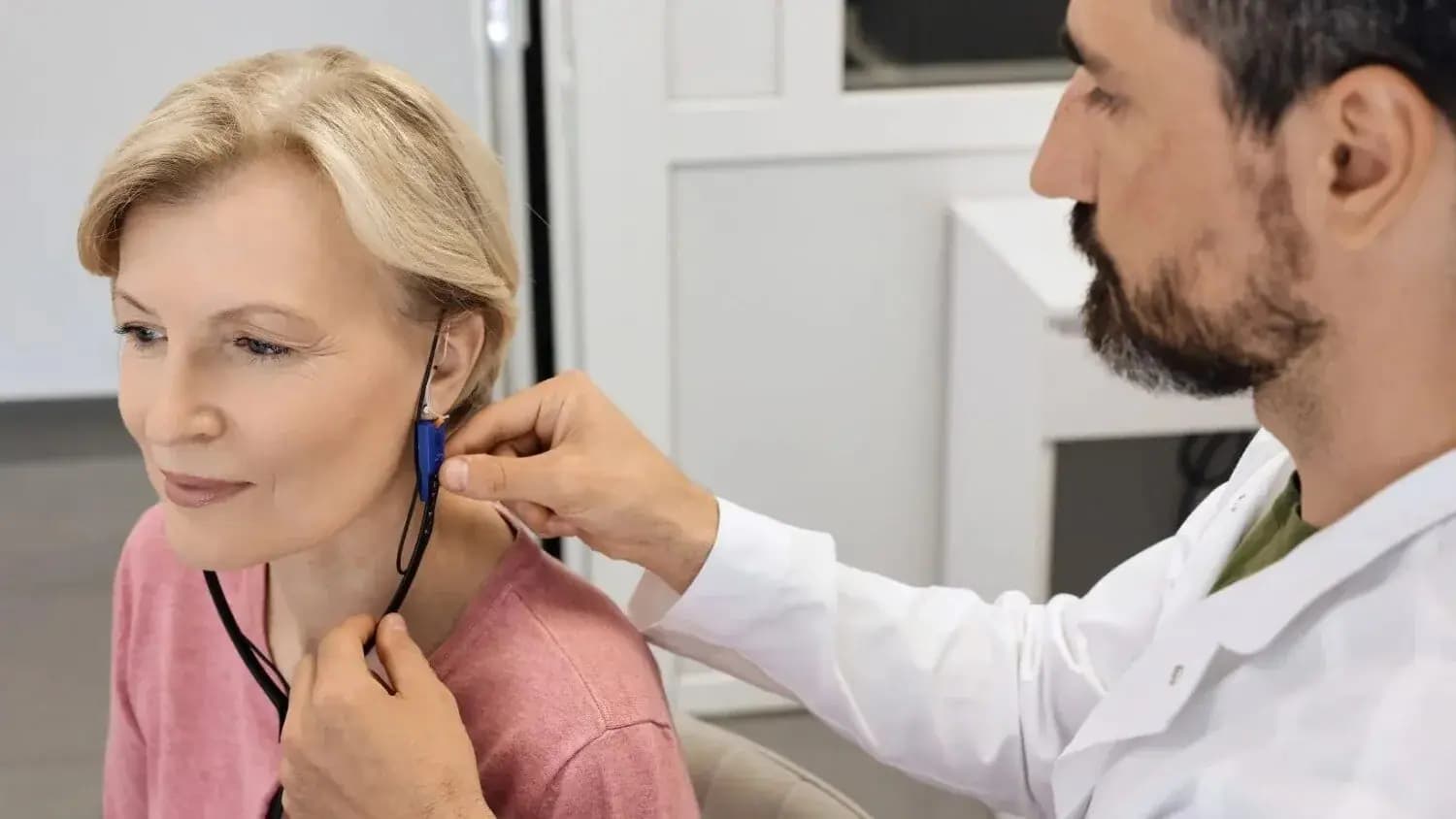
Real Ear Measurement (also called probe-mic verification) measures what the hearing aid is actually delivering in your ear canal, then helps your audiologist adjust it to evidence-based targets. Professional guidelines and standards emphasize verification as a best practice in adult fittings.
Bottom line: two people can buy the same premium device and have very different results depending on whether the fitting is verified and adjusted correctly.
If you’re searching for “Best audiologist Pasadena MD” or “Hearing doctor Huntingtown,” add this question to your shortlist:
“Do you perform Real Ear Measurement for adult hearing aid fittings?”
3. Rechargeable Vs. Batteries (It’s About Hands, Eyes, And Routines)
Many seniors prefer rechargeable hearing aids because they eliminate the need for tiny battery changes (which can be tough with arthritis or low vision). Rechargeables are also simpler for adult children/caregivers supporting a parent.
That said, disposable batteries still make sense for some people:
You travel often and don’t want to pack a charger
You prefer swapping a battery to waiting for a charge
You want a backup plan for power outages
A good provider will match the power option to your lifestyle, not push a one-size-fits-all answer.
4. Comfort And Retention (Because “I Won’t Wear Them” Is The Real Deal-Breaker)
The best technology on earth doesn’t help if the device ends up in a drawer.
Comfort comes down to:
Correct dome/mold size
Receiver strength matched to your hearing loss
Managing earwax and moisture
Fixing sore spots early (don’t “tough it out”)
If you’re looking for hearing aid repair in Waldorf or emergency hearing aid repair near me, it often starts with fit issues that were never fully resolved. Local follow-up care matters.
5. Bluetooth Streaming (Helpful, But Not Mandatory)
Bluetooth hearing aids for iPhone (and Android) can be genuinely useful:
Phone calls stream directly into your hearing aids
You can adjust volume/programs discreetly
Some people hear the TV more clearly with accessories
However, Bluetooth shouldn’t be the deciding factor if your primary challenge is speech-in-noise. Prioritize clarity and verified fitting first. Then add streaming if it fits your routine.
6. Tinnitus Features (Common, But Needs The Right Approach)
Many seniors ask about hearing aids for tinnitus (ringing/buzzing). Hearing aids can help some people by improving access to everyday sounds, which can make tinnitus less noticeable for certain users. Some devices also include optional sound therapy features.
The key is a proper evaluation first. Tinnitus can have multiple causes, and the best plan depends on your hearing test, history, and goals.
If you’re in Maryland and want tinnitus treatment, start with a comprehensive hearing evaluation and a discussion of what you’ve tried, what makes it worse, and when it began.
7. “Invisible” Hearing Aids (Great For Some Ears, Not All)
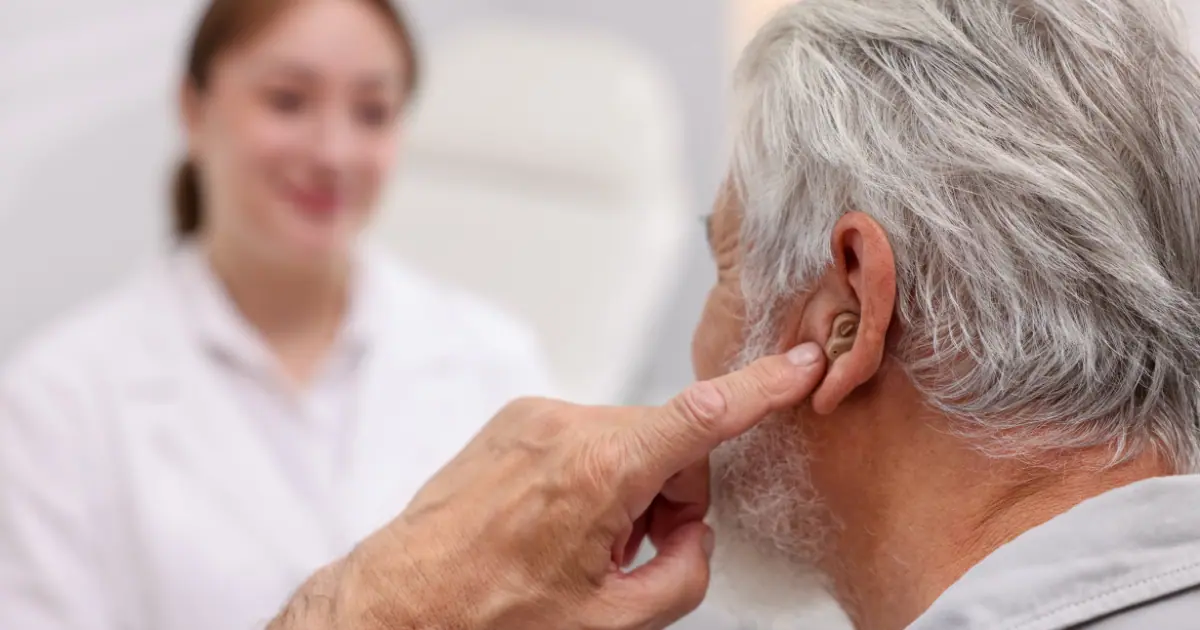
It’s normal to care about appearance. The good news: modern devices are much smaller than many people expect.
But “invisible hearing aids” are not automatically better. Smaller styles can be harder to handle, may have shorter battery life, and may not be the best match for your hearing loss or dexterity.
A better goal than “invisible” is “Comfortable, clear, and easy to manage.”
8. Brand Comparisons: Oticon Vs Phonak Vs Starkey (What To Focus On)
Patients often ask about brand comparisons, such as Oticon vs. Phonak hearing aids, or aboutspecific models (including newer AI-focused lines). Brands matter, but fit and follow-up matter more.
When comparing, focus on:
How well the device performs for your speech-in-noise needs
Whether your fitting will be verified with REM
Trial period, adjustments, and long-term support
Repair turnaround and local service
A local, independent clinic can often help you compare options across major manufacturers without locking you into a single brand ecosystem.
9. Cost Of Hearing Aids In 2026 (And What “Price” Should Include)
Hearing aid costs vary widely based on technology level and what’s bundled (testing, fitting, follow-ups, repairs, supplies). Industry pricing summaries for 2026 commonly show several tiers, with higher-tier prescription pairs typically costing more than entry-level options.
When you ask about the cost of hearing aids in Maryland, ask what’s included:
Comprehensive hearing test
Real Ear Measurement verification
Follow-up schedule (first 90 days are critical)
Warranty length and loss/damage coverage
Ongoing cleaning, checks, and minor repairs
This is where local care can add real value: good support often prevents small problems from escalating into “I stopped wearing them.”
10. Does Medicare Cover Hearing Aids In MD? What About Insurance?
Original Medicare does not cover hearing aids or hearing aid fitting exams.
Some Medicare Advantage plans may offer hearing benefits, but coverage varies by plan.
Maryland insurance rules have also changed in recent years. Maryland’s insurance regulator has published consumer guidance on expanded adult hearing aid coverage, and state legislation has addressed required coverage and benefit limits in certain situations.
Because the details depend on your plan type (fully insured vs. self-funded employer plans, benefit limits, medical necessity language, network rules), the most efficient move is to bring your insurance card and let a local clinic help you verify benefits before you commit.

What To Do Next (Especially If You’re In Annapolis, Waldorf, Pasadena, Or Huntingtown)
If you’re choosing hearing aids for seniors, the “best” device is usually the one that:
Improves speech clarity in your real-life environments
Is verified and adjusted properly (ask about Real Ear Measurement)
Fits your comfort, dexterity, and daily routine
Comes with local follow-up care you can count on
3D Hearing is a local, independent Maryland hearing care provider focused on long-term care, not just selling devices. If you’re searching for an audiologist near you, need a hearing test in Annapolis, want help with hearing aid repair in Waldorf, or simply want a clear plan and fair pricing, book a visit at /.