If you or a loved one is investing in prescription hearing aids, one question matters more than most people realize: are the devices actually programmed for your ears?
That is where the real ear measurement hearing test comes in.
At 3D Hearing, a local, independent hearing aid center serving Annapolis, Waldorf, Pasadena, and Huntingtown, we believe real ear measurement (REM) is not optional. It is the clinical gold standard for ensuring hearing aids perform as intended in real-world use, not just on a computer screen.
This guide explains what real ear measurement is, why it matters for seniors, and why you should expect it from any audiologist near you in Maryland.
What Is Real Ear Measurement?
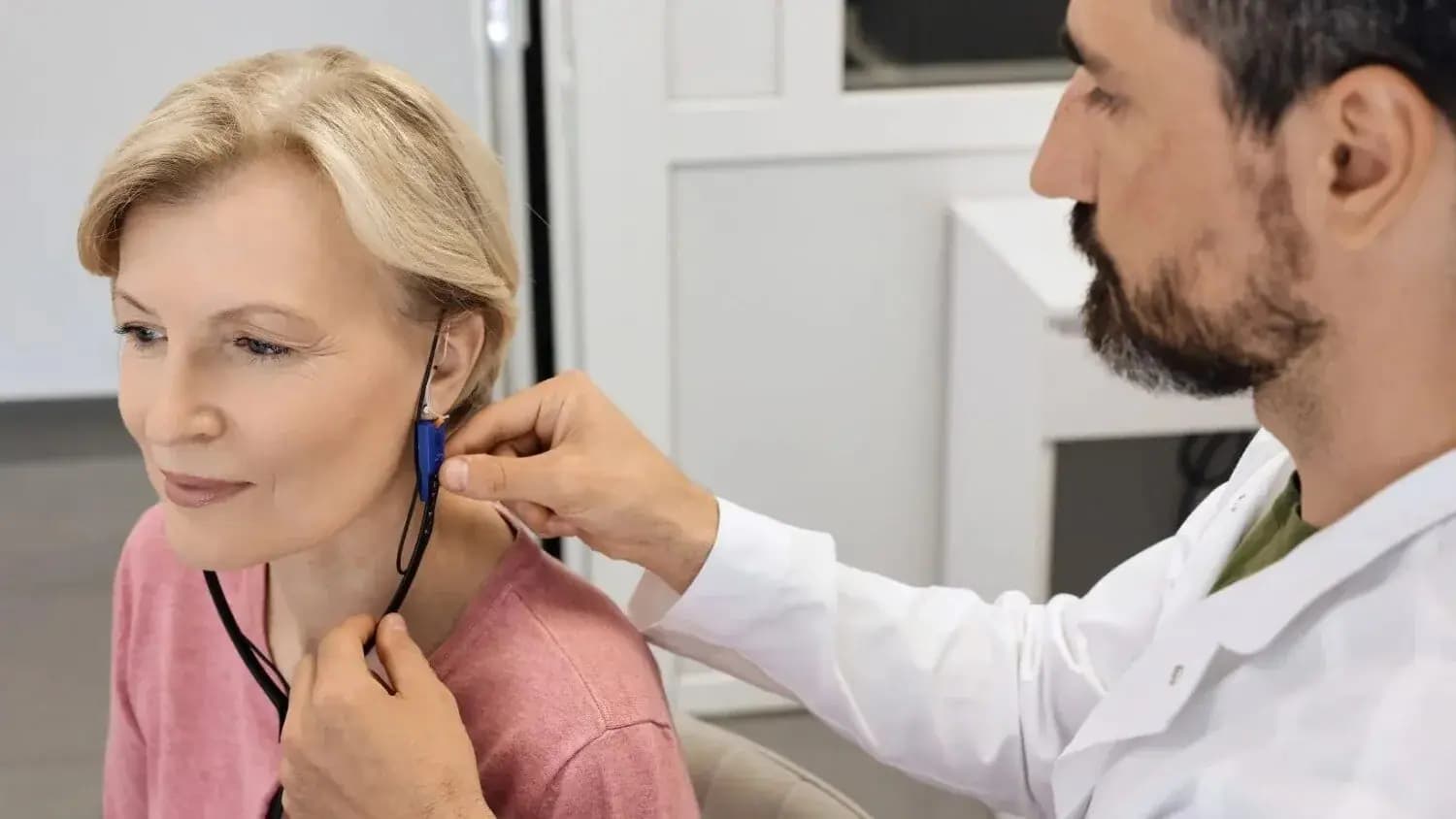
Real-ear measurement is a verification test that confirms the amount of sound your hearing aids deliver inside your ear canal.
Every ear is shaped differently. Even if two people have the same hearing test results, their ears will process amplified sound differently. REM measures this difference directly.
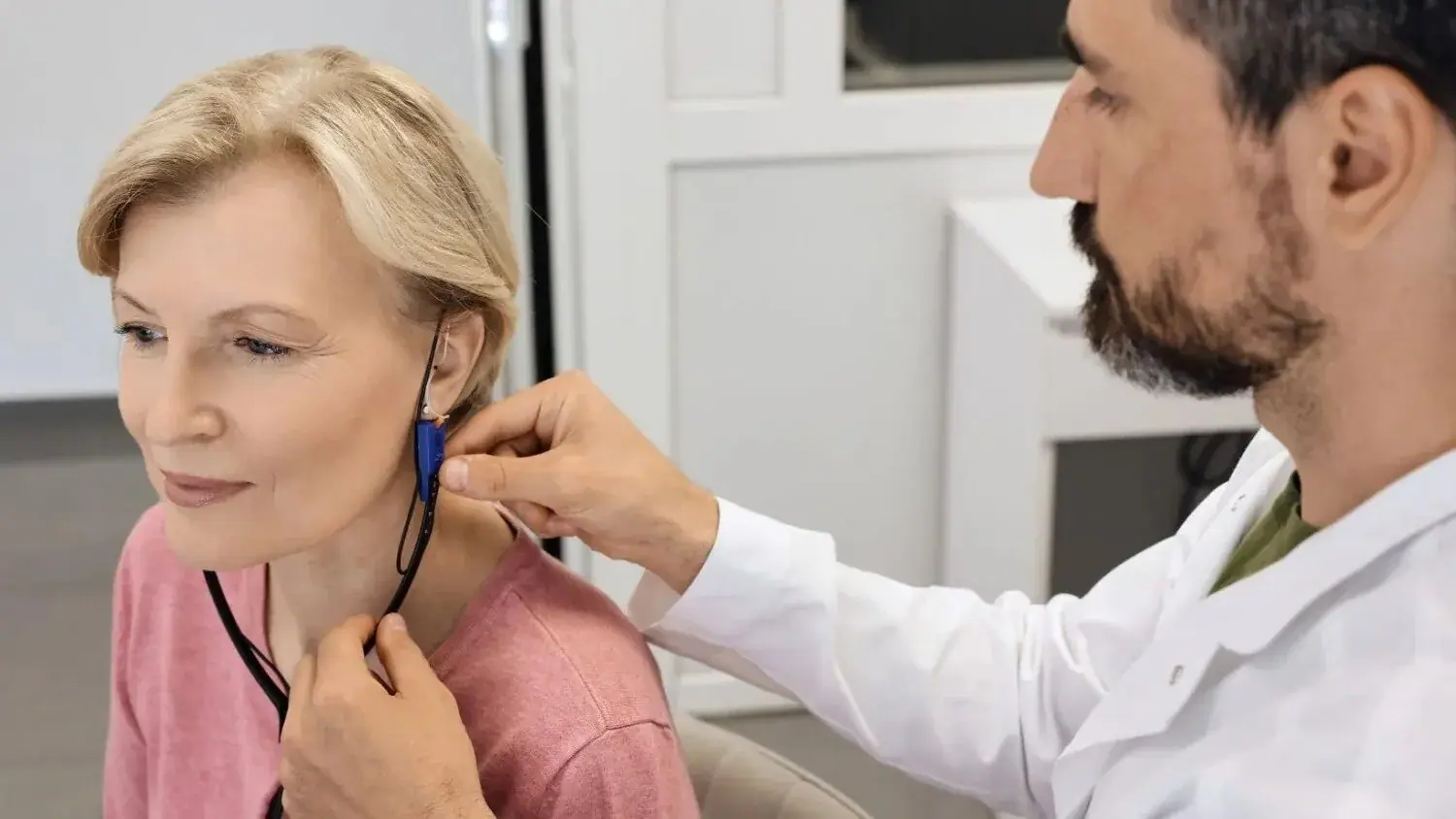
During the test, a tiny microphone is placed in your ear canal while you wear your hearing aids. The system measures how sound reaches your eardrum and compares it against scientifically validated targets for clarity and comfort.
If the sound does not match those targets, your audiologist adjusts the hearing aids until it does.
Why “First-Fit” Programming Is Not Enough
Many hearing aids today come with manufacturer software that estimates how the device should perform. This is often called first-fit programming.
The problem is that first-fit is based on averages. Your ears are not average.
Studies published in journals such as The Hearing Journal and the Journal of the American Academy of Audiology consistently show that first-fit settings often under-amplify speech, especially high-frequency sounds critical for word clarity.
This is one reason seniors say things like:
“I can hear people talking, but I can’t understand them.”
“Voices sound muffled.”
“Restaurants are exhausting.”
Without real ear measurement, even the best hearing aids for seniors may never deliver their full benefit.
Why Real Ear Measurement Matters for Seniors
Clearer Speech, Especially in Noise
Understanding speech in restaurants, family gatherings, and social events depends on precise amplification. REM ensures soft speech is audible without making loud sounds uncomfortable.
Better Brain Health
Research from Johns Hopkins and other institutions has linked untreated or poorly treated hearing loss to increased risk of cognitive decline. When hearing aids are accurately fitted, the brain receives the sound detail it needs to stay engaged.
More Comfortable Listening
Over-amplification can cause listening fatigue. Under-amplification causes strain. Real ear measurement balances both.
Fewer Follow-Up Problems
Many hearing aid repairs in Waldorf and nearby areas are actually programming issues, not hardware failures. REM reduces unnecessary visits and frustration.
Real Ear Measurement vs. Hearing Tests
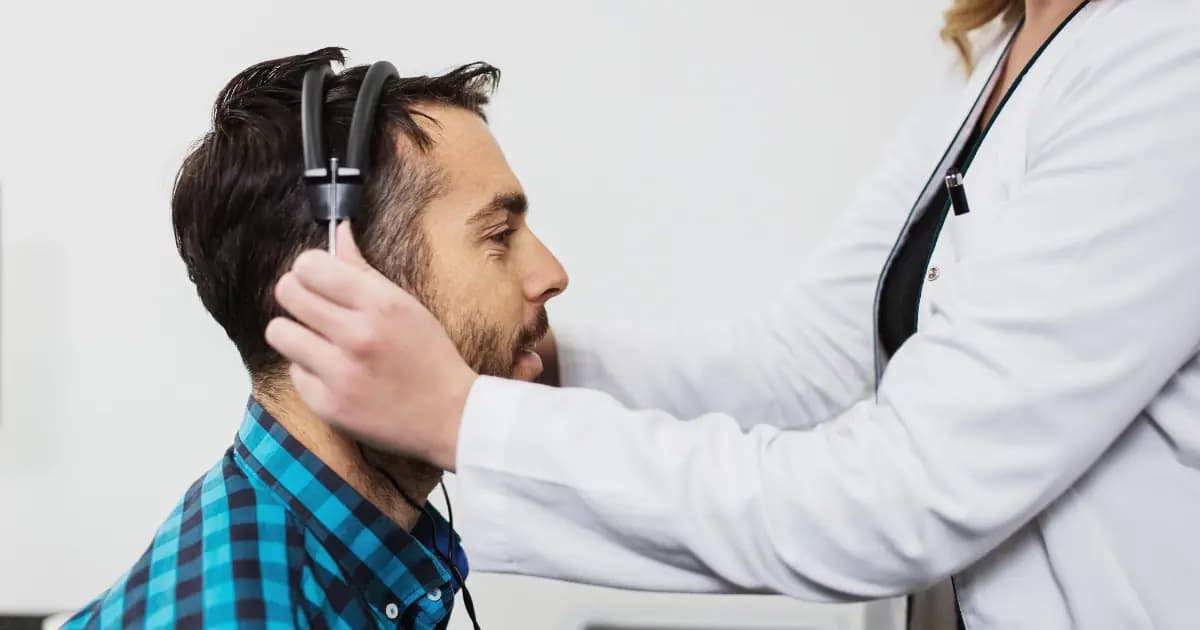
A hearing test measures how well you hear without amplification. A real ear measurement hearing test verifies how well your hearing aids work after they are fitted.
Both are essential, but they serve different purposes.
At 3D Hearing, we perform comprehensive hearing tests and follow them with real ear verification to ensure the prescription is delivered accurately.
Does Real Ear Measurement Matter for Premium Hearing Aids?
Yes, especially.
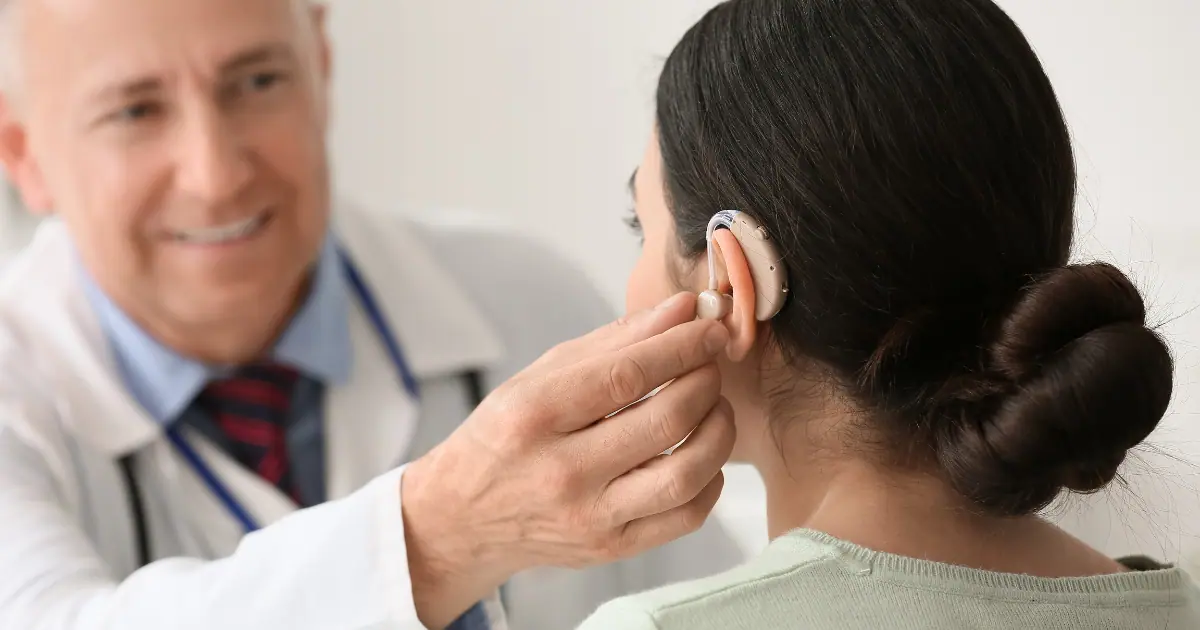
Advanced devices from manufacturers like Oticon, Phonak, and Starkey use sophisticated processing to improve speech clarity, reduce background noise, and support tinnitus treatment.
But these features only work correctly if the hearing aid is programmed precisely to your ears. Without REM, you may never experience the full benefit of:
Rechargeable hearing aids
Bluetooth hearing aids for iPhone
Invisible hearing aids
Hearing aids for tinnitus relief
Is Real Ear Measurement Required?
Professional organizations such as the American Academy of Audiology and the American Speech-Language-Hearing Association recommend real ear measurement as best practice.
However, it is not legally required, which means some clinics skip it to save time.
As a patient, you have the right to ask:
“Will you perform real ear measurement during my hearing aid fitting?”
If the answer is no, that is a red flag.
Why 3D Hearing Uses Real Ear Measurement for Every Fitting
We are not a national chain. We are a local Maryland hearing care provider focused on long-term outcomes, not volume sales.
Our approach includes:
Comprehensive hearing tests
Real ear measurement verification
Personalized counseling
Ongoing support, cleaning, and hearing aid repair
Clear explanations for patients and family members
Whether you are visiting us for a hearing test in Annapolis, senior hearing care in Pasadena, or hearing aid services in Huntingtown, our process is the same.
Real Ear Measurement and Cost Concerns
Some patients worry that advanced testing will lead to higher prices.
In reality, real ear measurement helps ensure you get value from your investment. With hearing aid costs rising and many patients asking, “Does insurance cover hearing aids in MD?”, accuracy matters.
REM helps:
Reduce unnecessary returns
Prevent repeated adjustments
Extend the useful life of your devices
When families ask about the cost of hearing aids in Maryland, we explain that proper fitting protects both hearing health and finances.
Does Medicare Cover Real Ear Measurement?
Medicare does not currently cover hearing aids or fittings, but some supplemental plans and insurance coverage in Maryland may help offset the cost of hearing care.
Regardless of coverage, real ear measurement remains a clinical standard we believe every patient deserves.
Signs Your Hearing Aids May Not Be Properly Fitted
You may benefit from real ear verification if:
Speech sounds unclear
You struggle in noisy places
Voices sound too soft or too sharp
You feel listening fatigue
You suspect your hearing aids are “not strong enough.”
These are common signs of hearing loss in adults and often relate to fitting accuracy rather than device quality.
A Note for Adult Children and Caregivers
If you are helping a parent or loved one choose hearing care, ask about real ear measurement. It is one of the simplest ways to separate high-quality local care from shortcuts.
It also helps avoid the frustration that leads many seniors to stop wearing hearing aids altogether.

Demand Accuracy, Not Guesswork
Hearing aids are medical devices. They deserve medical-level precision.
Real-ear measurement ensures hearing aids are fitted to your ears, your hearing loss, and your daily life in Maryland, whether that includes family dinners, church gatherings, or conversations with grandchildren.
If you are considering hearing aids or questioning your current fitting, schedule a visit with 3D Hearing. We are proud to be a local hearing aid center in Maryland that believes accuracy is the foundation of better hearing.
Learn more or book a free hearing consultation in Maryland at /