

If you’re searching for the best audiologist in Pasadena, MD, you’re probably dealing with a familiar frustration: you can hear people talking, but you can’t always understand them, especially in restaurants, family gatherings, or church. That “I’m nodding but I missed half of it” feeling is common, and it’s exactly why choosing the right provider matters.
In Maryland, you’ll find everything from big-box retailers to national chains to independent clinics. The difference isn’t just price. It’s how carefully your hearing is tested, how precisely hearing aids are fit, and whether you have a long-term plan (not just a quick sale).
Below is a practical checklist to help you choose a high-quality hearing aid center in Maryland, with a focus on Pasadena and nearby communities, including Annapolis, Waldorf, and Huntingtown.
1. Start With The Right Test: Comprehensive, Not Rushed
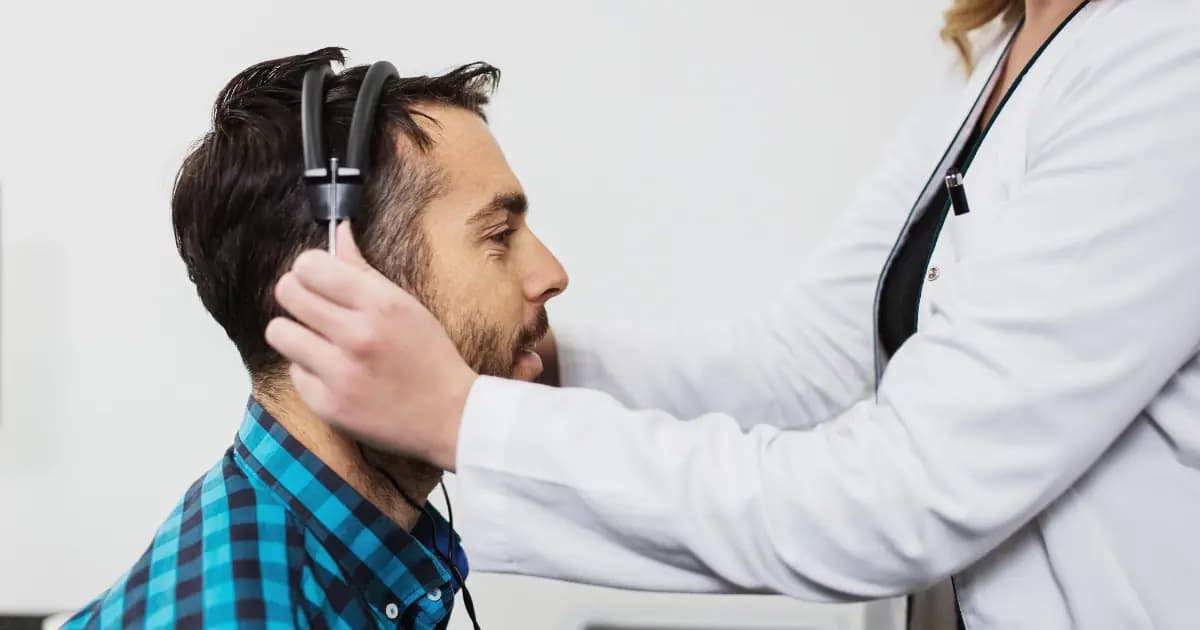
A quality clinic should offer a comprehensive hearing evaluation, not a “quick screen.” A full workup typically includes multiple measures, not just one tone test. You want someone who can explain your results in plain language and connect them to your real-life problems (like speech in noise).
Ask this:
“How long is the appointment?”
“Will you test speech understanding, not just beeps?”
If you’re also searching for a Hearing Test Annapolis or in surrounding counties, the same rule applies: don’t settle for a rushed screening.
2. Demand “Real Ear Measurement” (It’s A Big Deal)
Here’s an insider tip: the best clinics verify how hearing aids perform in your ear, not just in software simulations.
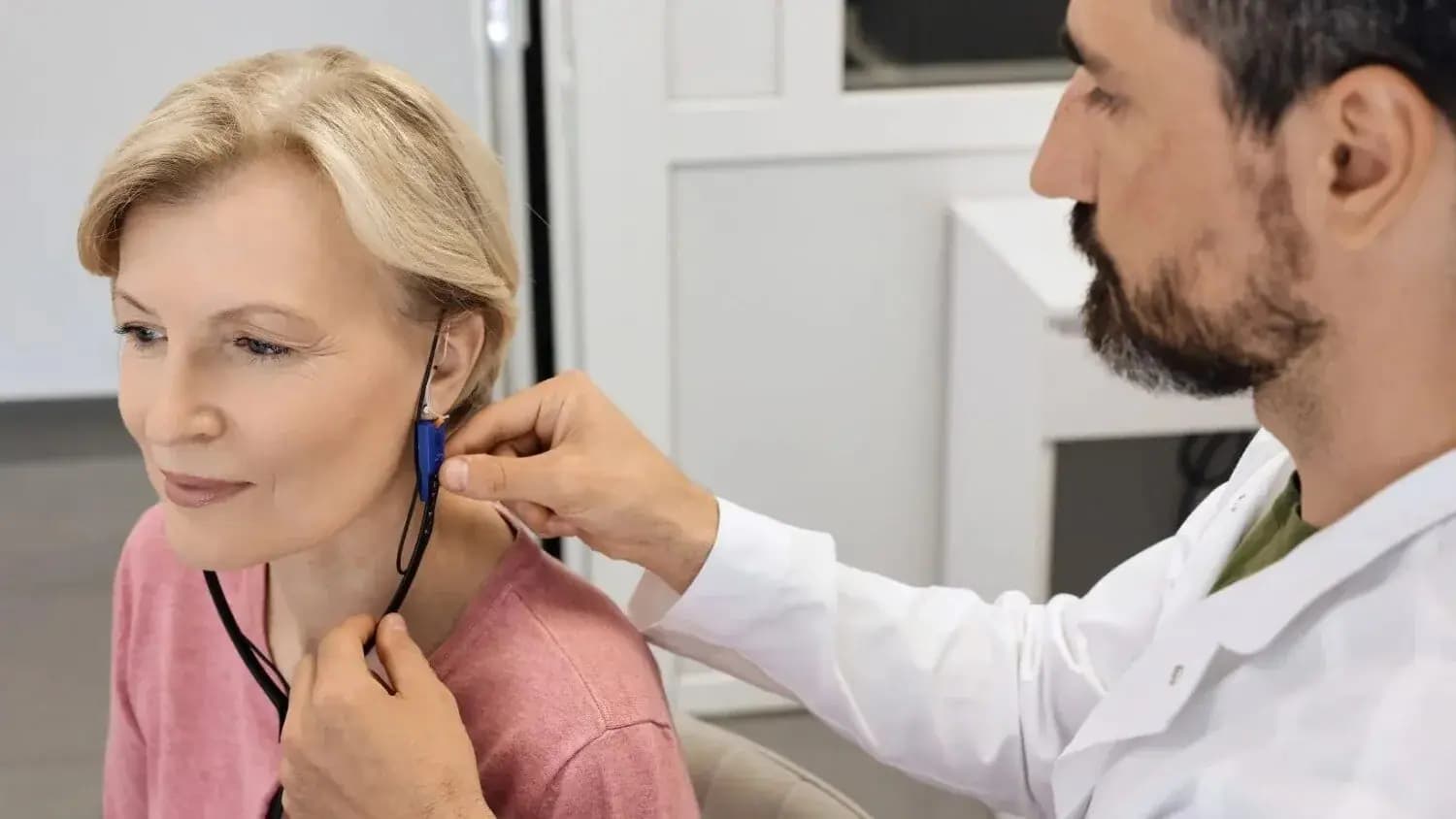
That verification is called Real Ear Measurement (REM). It measures sound at your eardrum to confirm your hearing aids are delivering the appropriate amplification. Clinical guidance emphasizes that amplification should be verified, and real-ear/probe mic approaches are a key method for that verification.
Ask this (word-for-word):
“Do you perform real ear measurement when fitting hearing aids?”
If the answer is vague, that’s a red flag.
3. Look for a provider who offers multiple major brands (and explains the tradeoffs)
People often ask about Oticon vs. Phonak hearing aids (or Starkey, Widex, Signia). A strong audiologist should be able to compare brands based on your hearing needs and lifestyle, not hype.
You’ll also want help thinking through features that matter for real life:
Rechargeable hearing aids vs. disposable batteries
Invisible hearing aids vs. behind-the-ear options
Bluetooth hearing aids for iPhone (streaming calls and audio)
Options for hearing aids for tinnitus
A reputable clinic will walk you through the pros/cons and what you’ll realistically notice day to day.
4. Ask How They Handle Follow-Up Care (Because That’s Where Results Happen)
Hearing aids aren’t “set it and forget it.” Your brain needs time to adjust, and fine-tuning is normal, especially if you’re active and spend time in noisy environments.
Strong long-term care usually includes:
Scheduled follow-ups (not just “call us if needed”)
Adjustments based on your feedback
Cleaning and maintenance guidance
Clear expectations for how improvement feels over weeks, not minutes
This is especially important for families: if you’re an adult child helping a parent, ask what ongoing support looks like.
5. Make Sure They Can Help Fast When Something Breaks
If you’ve ever needed emergency hearing aid repair near me, you know how stressful it is when a device stops working right before a trip or event.
Before you choose a clinic, ask:
“Do you provide hearing aid repair and same-week appointments when something fails?”
“Do you stock common parts like domes, wax guards, receivers, and chargers?”
For Maryland families, quick support can be the difference between staying engaged and withdrawing socially for weeks.
6. Don’t Let “Medicare” Confusion Derail You. Ask About Real Costs
Many people hesitate because they assume hearing aids are automatically covered. The short version: Original Medicare does not cover hearing aids or hearing aid fitting exams. (Some Medicare Advantage plans may include hearing benefits, but it varies by plan.)
So when you’re comparing the cost of hearing aids in Maryland or looking up “Cost of hearing aids 2026,” focus on clarity:
What is included in the price (testing, fitting, follow-ups)?
Is there a warranty?
What are the service costs after the initial period?
Are there financing options?
A trustworthy audiologist will explain pricing plainly and help you avoid surprise costs.
7. Know When OTC Hearing Aids Are Okay (And When They’re Not)
OTC hearing aids can help some adults with perceived mild to moderate hearing loss, and the FDA created this category to improve access.
But OTC devices aren’t ideal if you have:
Significant difficulty understanding speech (not just “volume” issues)
Uneven hearing between ears
Sudden hearing loss (this needs urgent medical attention)
Complex listening environments (restaurants, group conversations)
Tinnitus that’s disrupting sleep or focus
A good local provider won’t shame OTC options; they’ll help you understand whether prescription or OTC hearing aids make sense for you.
8. Check For “Whole Ear” Services Beyond Hearing Aids
The best senior hearing care is practical. Ask if they offer:
Ear wax removal services (wax can block sound and affect test accuracy)
Custom hearing protection (for concerts, hunting, woodworking, etc.)
Guidance on hearing loss prevention
Help for tinnitus treatment in Maryland (often through sound therapy and proper fitting)
If someone experiences sudden hearing loss, ask about their protocoland how quickly they can direct you to urgent care.
9. Look For A Clinic That Treats Hearing As Part Of Staying Connected
Many older adults delay care because they don’t want to “look old” or they worry it’s not “bad enough yet.” A better frame is: hearing care supports independence, driving, safety, confidence in conversation, and staying part of the group.
The National Institute on Aging highlights the importance of treating sensory conditions such as hearing loss to support cognitive health and overall well-being. Research also links hearing intervention to improvements in social connection outcomes, such as loneliness and isolation.
No scare tactics needed, just a simple truth: better hearing makes daily life easier.
Why Many Maryland Families Choose A Local Provider Like 3D Hearing
If you want senior hearing care in Maryland that feels personal, look for an independent clinic that:
Takes time with testing and counseling
Verifies fittings with real ear measurement
Supports multiple major brands (Oticon, Phonak, Starkey, and more)
Provides ongoing follow-up care and repairs
Treats you like a long-term patient, not a one-time transaction
3D Hearing is a local, independent Maryland provider serving patients across Pasadena, Annapolis, Waldorf, and Huntingtown, focused on comprehensive hearing tests, properly fit prescription hearing aids, fair pricing, and long-term care.
Choose The Audiologist Who Will Still Be There After The Fitting
The “best audiologist Pasadena MD” isn’t just the one with the newest devices. It’s the one who tests thoroughly, fits precisely, explains clearly, and supports you over time.
If you’re ready to take the next step, book a visit with 3D Hearing for a local, patient-first approach to better hearing: https://www.3dhearing.com
Explore 3D Hearing