If you’ve Googled “audiologist near me” after missing half a conversation at a restaurant, you’ve probably also seen ads for OTC hearing aids that look fast, simple, and cheaper. And sometimes, OTC really can help.
But the bigger question is which option fits your hearing loss, your ears, and your daily life, especially if you’re in Maryland and want long-term care (not just a device in a box)?
At 3D Hearing, we’re a local, independent hearing care provider serving Annapolis, Waldorf, Pasadena, and Huntingtown (and nearby areas in Anne Arundel, Calvert, and Charles Counties). We focus on comprehensive hearing tests, fair pricing, and ongoing support because hearing better is rarely “one-and-done.”
Below is a clear, readable guide to help you compare prescription vs OTC hearing aids.
What “Otc Hearing Aids” Actually Are
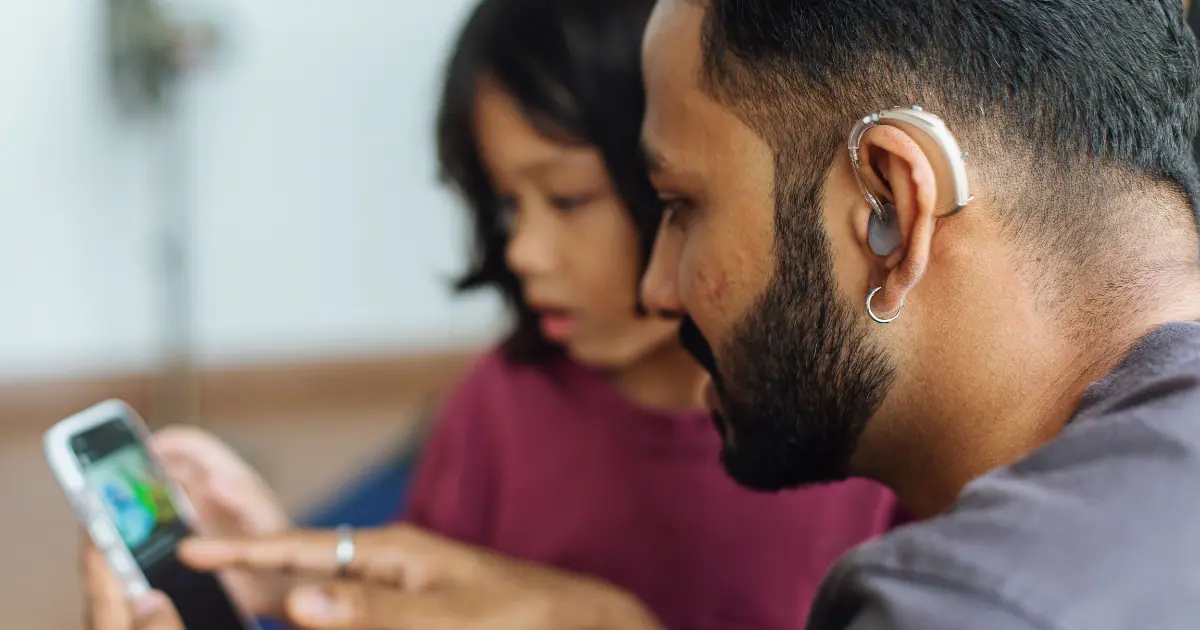
OTC hearing aids are a regulated category created by the FDA for adults (18+) with perceived mild-to-moderate hearing loss and are available without a hearing test, prescription, or in-person fitting.
They are not the same as:
cheap amplifiers (often sold online) that simply make everything louder
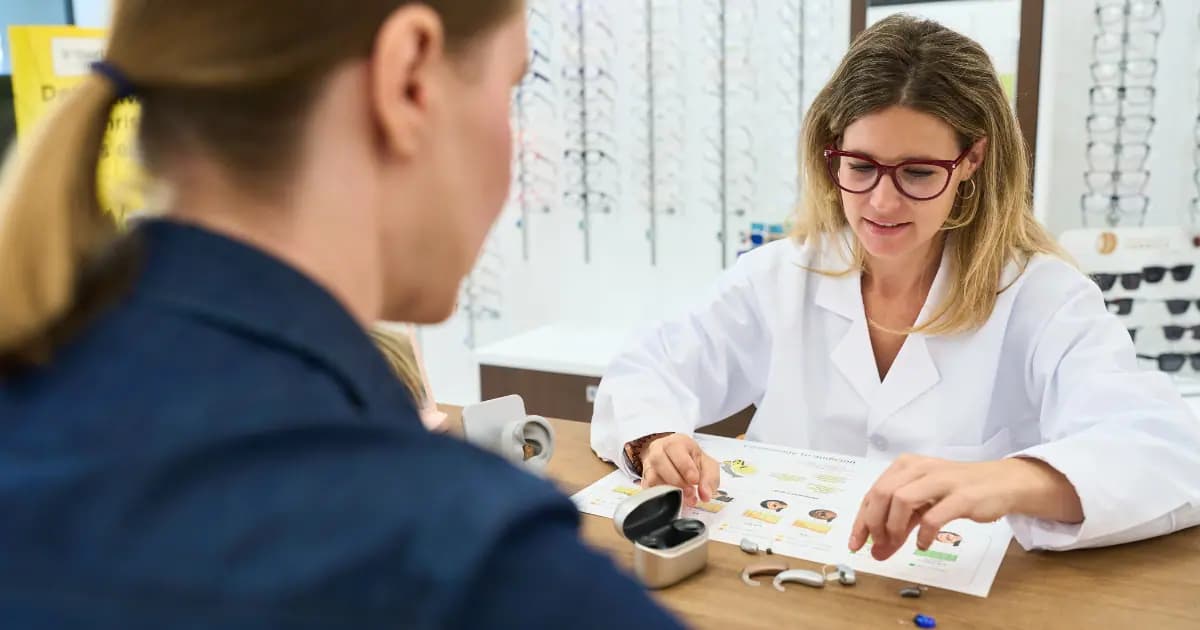
Prescription hearing aids fit through a licensed provider
Who Typically Does Well With Otc Hearing Aids?
OTC may be a reasonable starting point if:
You mostly struggle in quiet situations or mild background noise
You want a lower-cost entry point
You’re comfortable using an app and doing the setup yourself
Your hearing loss is likely mild to moderate (as intended by the FDA category)
Common Example
“I can hear people, but I miss certain words, especially higher-pitched voices.”
Who Is Usually Better Served By Prescription Hearing Aids?
Prescription hearing aids are often a better fit if:
You struggle most in restaurants, family gatherings, church, or group conversations
One ear is noticeably worse than the other
You have tinnitus and want more advanced options (sound therapy features, fine-tuning)
You’ve tried OTC and still feel like your speech is unclear
You want professional verification that the aid is actually delivering the right amplification inside your ear
That last point matters: the ear canal is not “one-size-fits-all,” which is why verification can be a game changer.
Pros and Cons of OTC Hearing Aids
Pros
Lower upfront cost (usually). Pricing varies widely, but many OTC options land well below clinic-fit prescription devices.
Fast access. You can purchase online or in stores without an appointment.
Good for tech-comfortable users with mild needs. If you’re patient with apps and setup, you may get decent benefits.
Cons
No diagnostic hearing test was included; OTC is based on “perceived” hearing loss, but many people misjudge the severity or type of their hearing loss.
It is harder to succeed in noisy environments; while many OTC models are improving, in complex listening environments, professional fitting and higher-end processing can be critical.
No built-in local care model. If the sound feels sharp, muffled, or tiring, you may be stuck troubleshooting on your own, and discomfort is a common reason people stop wearing hearing aids.
Pros and Cons Of Prescription Hearing Aids
Pros
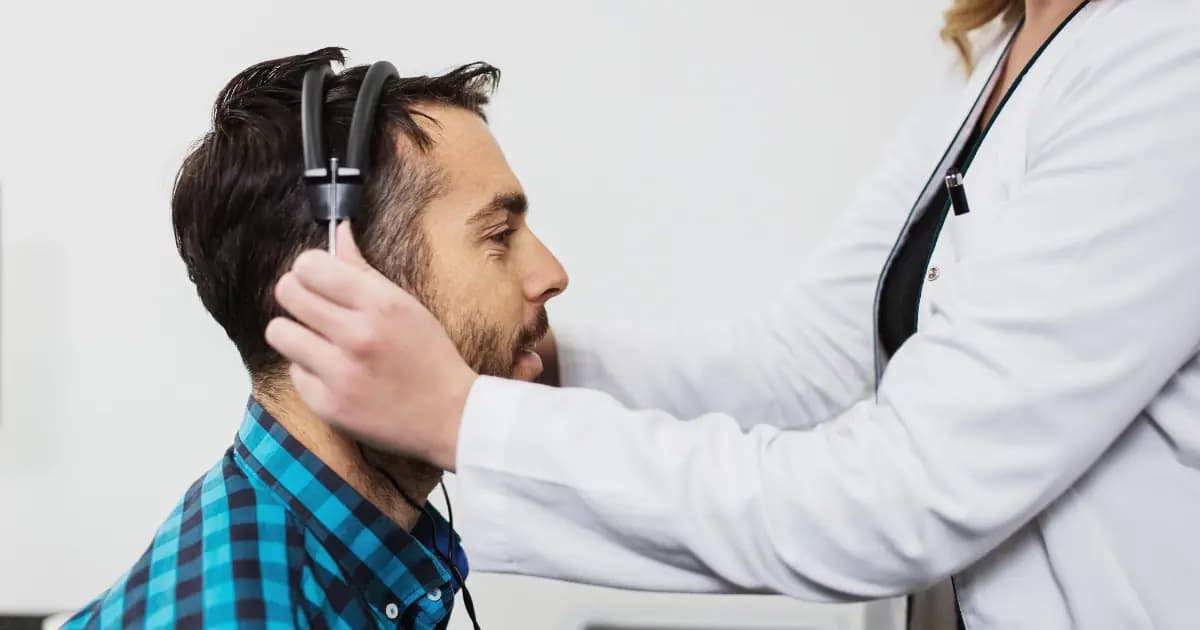
A real hearing test (and a clear plan), a comprehensive evaluation helps identify the type and pattern of hearing loss and whether there are red flags that need medical follow-up.
Professional fitting + verification (“Real Ear Measurement”) evidence-based fittings often include probe microphone verification to match hearing aid output to targets for your ear acoustics.
This is one of the most practical “authority-level” differences between prescription care and DIY.Better customization for premium speech-clarity prescription devices (such as Oticon, Phonak, and Starkey) can be tuned more precisely, particularly for noisy environments, tinnitus, and comfort.
Ongoing care hearing changes. Ears change. Life changes. Follow-up support keeps your results strong.
Cons
Higher upfront price (often depending on technology level and what’s bundled (testing, follow-ups, repairs), prescription hearing aids can be a larger investment.
It requires appointments, which isa benefit, but it does take time.
Costs in 2026: What Should Maryland Families Expect?
Prices vary by technology and care model, but recent consumer and industry reports commonly show:
OTC: often hundreds to low thousands per pair, depending on brand/features
Prescription: commonly several thousand per pair, especially with higher-tier tech and a care plan
A helpful way to think about it:
OTC = device-first purchase
Prescription = device + fitting accuracy + long-term support
If you’re in Waldorf and need hearing aid repair, or in Annapolis and want a proper baseline hearing test, that care component becomes a significant factor over time.
Does Medicare Cover Hearing Aids in Maryland?
For most people, Original Medicare (Parts A & B) does not cover hearing aids. Some Medicare Advantage (Part C) plans may include hearing benefits, but coverage varies by plan.
If you’re an adult child helping a parent, this is often the turning point: the “best value” is the option that avoids repeat purchases and frustration.
A Simple Decision Checklist (Use This Before You Buy)
Choose OTC if:
Your difficulty is mild and mostly in quieter settings
You want the lowest upfront cost
You’re comfortable with self-fitting and returning/exchanging if needed
Choose prescription if:
You struggle in noise (“I hear but don’t understand”)
You want the best shot at comfort and clarity from day one
You want verification, like a real ear measurement
You want local support in Pasadena, Huntingtown, Annapolis, or Waldorf
FAQ patients ask us at 3D Hearing
How Long Do Hearing Aids Last?
Many hearing aids last several years, but their lifespan depends on daily wear, moisture, maintenance, and how quickly your needs change. If you’re active in Maryland, consistent cleaning and checkups matter.
What Are The Signs Of Hearing Loss In Adults?
Common early signs include:
turning the TV volume up more than others prefer
missing words in group settings
thinking people “mumble.”
avoiding restaurants or family gatherings because it’s tiring to followthe conversation
Can Hearing Aids Help Tinnitus?
Hearing aids often help many people with tinnitus by improving overall sound input and (in some models) adding tinnitus support features. The “right” approach depends on your hearing test and tinnitus pattern.

Get A Baseline Hearing Test (No Guesswork)
If you’re on the fence between OTC and prescription, the most confidence-building move is simple: start with a comprehensive hearing evaluation. From there, you can choose an option that matches your hearing needs, budget, and lifestyle without pressure.
3D Hearing is a local Maryland provider, not a national chain. We serve patients across Annapolis, Waldorf, Pasadena, and Huntingtown, with a focus on long-term care, fair pricing, and clear guidance.
Ready to get clarity on the best option for you (or a parent)? Book a consultation or learn more at /.