Have you ever spotted a Google Street View car, with cameras perched on top? These cars roam the streets, capturing 360-degree images of public spaces that are then stitched togeth…
Oticon · Premium Hearing Aid
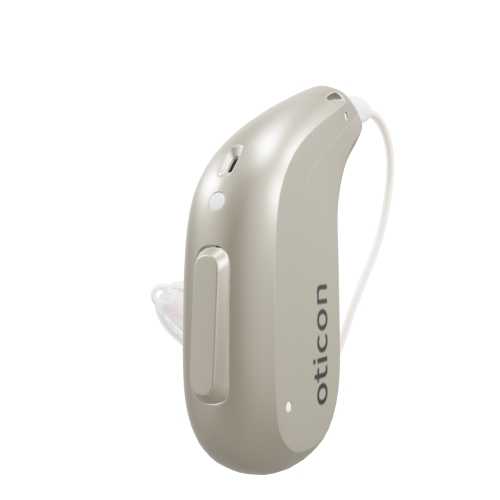
Oticon Intent
4.7(157 verified reviews)via ZipHearing
Have you ever spotted a Google Street View car, with cameras perched on top? These cars roam the streets, capturing 360-degree images of public spaces that are then stitched together to create a virtual representation of the world. The data they collect enhances navigation, mapping, and exploration on a global scale.
In stock at all 4 locations
Pricing available on request
Brand policy prevents online price display. Contact us for a no-obligation quote.
Frequently Asked Questions
Can this hearing aid be paired directly to my Bluetooth TV?
As of October 2024, no. Currently, you must purchase the Oticon TV Adapter 3.0 (shown below on this page). The TV Adapter converts the TV audio signal into a compatible format to stream to the hearing aids. In the future, direct connection to TVs should be possible, if your TV uses Bluetooth LE Audio and is Auracast-compatible (but many are not yet). We expect Oticon to roll out a firmware update to all Intent hearing aids sometime in 2025 to enable Auracast streaming, so at that time, if you have a compatible TV, you should be able to stream from your TV to your Intent hearing aids without using a TV Adapter.
Does this hearing aid allow for hands-free phone calls?
Yes, but whether it works depends on your phone. iPhones allow hands-free calling through Apple’s Made for iPhone (MFi) system, which is supported on iPhone 11 and later. For Android phones, hands-free calling requires Bluetooth LE Audio. While some newer Android models, like the Google Pixel 7 and later, include this feature, few Android phones currently support Bluetooth LE Audio, so compatibility is still limited. If your Android phone has a USB-C port but doesn’t support LE Audio, you can use the Easy LE Adapter accessory (shown below on this page) to enable hands-free calling and audio streaming with Oticon Intent. We recommend using Oticon's device compatibility tool to check if hands-free calling will work with your specific device.
Is this hearing aid Bluetooth compatible?
Yes. Intent is designed to support multiple Bluetooth audio streaming protocols, including Bluetooth LE Audio, Made for iPhone (MFi), and Android's ASHA (Audio Streaming for Hearing Aids) specification. The exact Bluetooth functionality you’ll have will depend on your phone, and we recommend using Oticon’s device compatibility tool to check that.
What if I'm on-the-go and my battery dies?
Intent uses a built-in lithium-ion battery that can’t be replaced on the spot with another battery, so you’ll have to recharge the hearing aid. That means you’ll need your charger. The standard charger that comes with all orders includes a USB-C charging cord, as well as a wall plug, so you can charge your hearing aids from your car, computer, or from a standard electrical outlet.Luckily, Intent charges pretty quickly—a 10-minute charge will get you 2.5 hours of wear time. It shouldn’t happen, but if you’re concerned about the battery dying before your day is over, you might want to purchase the premium SmartCharger (shown below on this page). The SmartCharger is a mobile charger which has its own lithium-ion battery inside that you can draw charge from, allowing you to charge your hearing aids on the go, even if you don’t have access to electricity.
How many hours a day do the batteries last?
Battery life is going to vary based on a few factors, including: features active in the hearing aids, your hearing loss, sound environments, battery age, and any wireless accessories in use. In general Oticon says you can expect about 20 hours of battery life a day, and that’s considering a few hours of Bluetooth streaming per day, such as listening to music or phone calls through your hearing aids.
How long does it take to get a full charge?
Only 2 hours for a full charge—that’s the fastest in the industry. If you’re in ever in a pinch, a 10-minute charge will get you 2.5 hours of wear time.
What is the lifespan of the rechargeable batteries?
Oticon customer support says the batteries should last about 5 years. Based on feedback from our own customers, we think that’s a bit optimistic, and you should plan on 3-4 years. We find that at the 5 year point—usually—the batteries are still technically working, but their daily battery life is much shorter than the expected 20 hours. In the past, Oticon lithium-ion batteries could be replaced in-office by a hearing provider, but last we checked—October 2024—this is a service only Oticon can do, so your hearing provider will have to send your hearing aid in for this. This service is covered by your warranty, but if your warranty expires, expect a charge from your hearing provider between $150-$300 per battery.
How will I know when my battery needs to be charged?
Intent hearing aids provide audio and visual notifications when the battery is running low. For the audio notifications, you’ll hear three steady beeps. Once the battery is fully depleted, you’ll hear four descending tones. You can ask your hearing provider to demonstrate these tones for you through Oticon’s Genie fitting software so you know what to listen for. The LED light on your hearing aid will also start blinking fast orange blinks and will repeat periodically until the battery is fully depleted. Once you start getting those notifications, you’ll have about two hours of battery life left before the hearing aids die. To extend battery performance, it is advisable to stop any audio streaming during this time.